
5 years later: Is the Woodnote living up to its promise?
Student resident questions governance principles students question governance and upkeep as UTILE expands across Quebec amid growing rents and housing crisis.
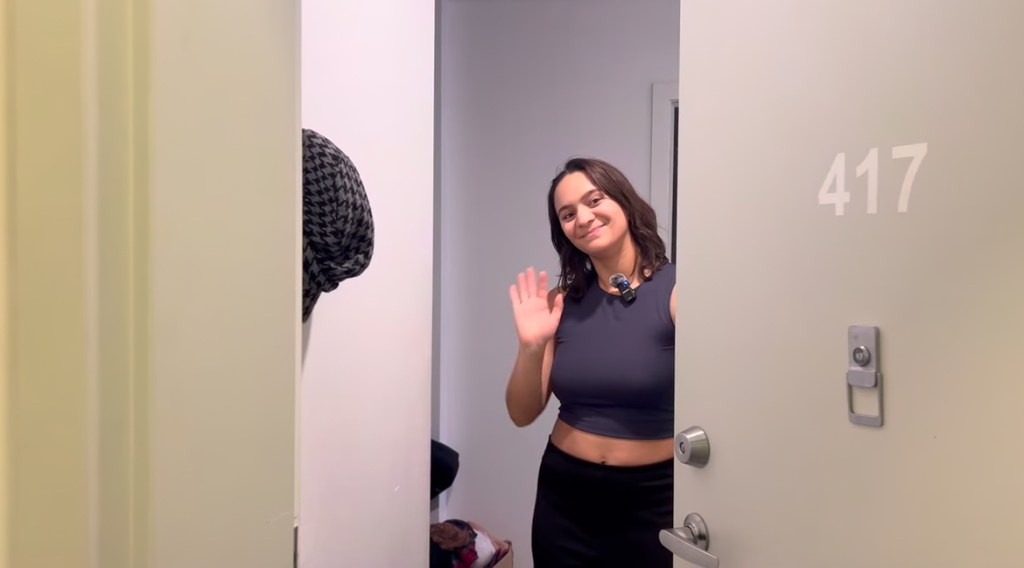
In the summer of 2020, The Woodnote student housing cooperative opened its doors to 144 Concordia undergraduate students, inaugurating the first initiative of its kind by the Concordia Student Union (CSU). Compelled and drawn by the student-centred and cooperative system of the project, Selena Ruiz, a student in communications at Concordia University, moved into the Woodnote in July 2023. Today, she believes that some promises have fallen through.
« We did have a board, of like, student governance that was within the building, but that has since disappeared.”
The Woodnote is a student housing cooperative « by students, for students » situated across from La Fontaine Park in the Plateau-Mont-Royal borough.
The project came to life back in 2014 through a CSU referendum, which passed with 90 percent support, receiving the highest amount of approval in the student union’s by-election referendum history. The Woodnote was developed in collaboration with UTILE, a non-profit real estate organization that caters to students. Operating under a social economy model, the organization aims to provide more responsible student housing through providers, developers, and managers, shifting away from the traditional landlord structure and giving more power to residents.
But with the lack of a stable unit manager, the disappearance of a board of students, and maintenance issues that won’t get solved, Ruiz describes the Woodnote as the « laboratory rat » of housing cooperatives like it.
CSU sustainability coordinator Mia Kennedy is the executive overseeing The Woodnote and other student housing resources. She recognizes that the CSU hasn’t been able to assist the student residents there as much in recent years.
I know that there has been less community involvement or like, activities happening in recent years.”
She explains that she hasn’t been able to push for more initiatives for the Woodnote because of institutional knowledge that was not passed down to the current executive team.
Montreal’s housing crisis persists into 2026, as Quebec’s housing tribunal set rent increases at 3.1 per cent earlier this year. This is most deeply felt by students, which, according to a FLASH survey, rent paid by students was 25% higher than the median cost of all rental units in Canada in 2021 alone. Amid the ever-growing pressure to find affordable accommodation, organizations like UTILE have emerged as increasingly popular alternatives. UTILE has recently expanded with two new buildings under construction and two others in development in Montreal alone; including a 13-floor building in Quartier des Spectacles, built in collaboration with the Students’ Society of McGill University (SSMU), expected to open in June 2026. Through further collaborations with student unions, UTILE allows for cheaper student-focused housing.
As expansion continues, however, Ruiz believes that focus should remain on how those principles are maintained over time.
« My message to UTILE is that if they could be a bit more responsive in terms of communations […] it would make it easier to believe that our roles and feedbacks are valued. »
– Selena Ruiz, Woodnote resident & student
Ruiz has expressed willingness to engage directly with the UTILE director of operations, Vincent Brossard, following her interview with Concordia News.
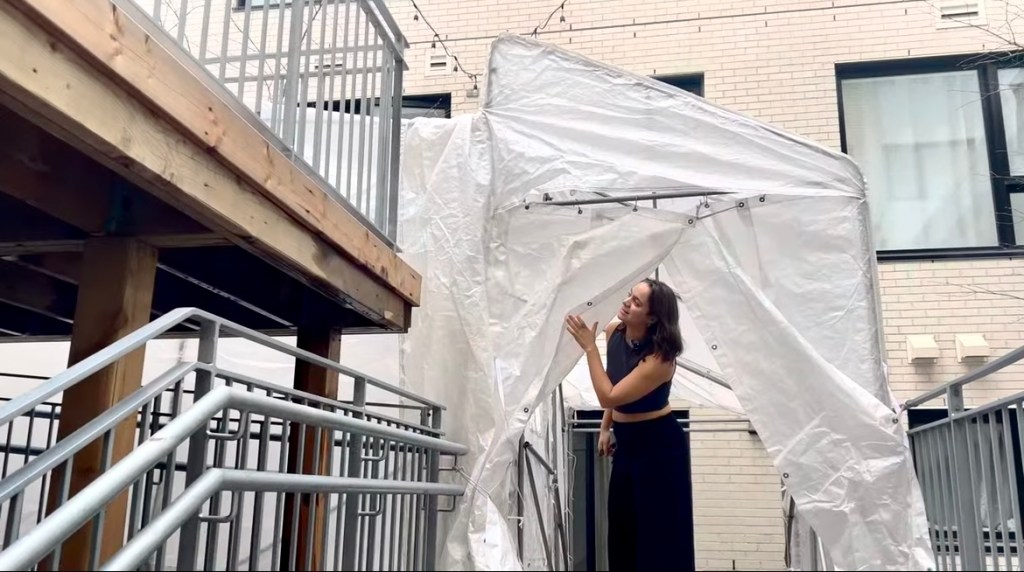
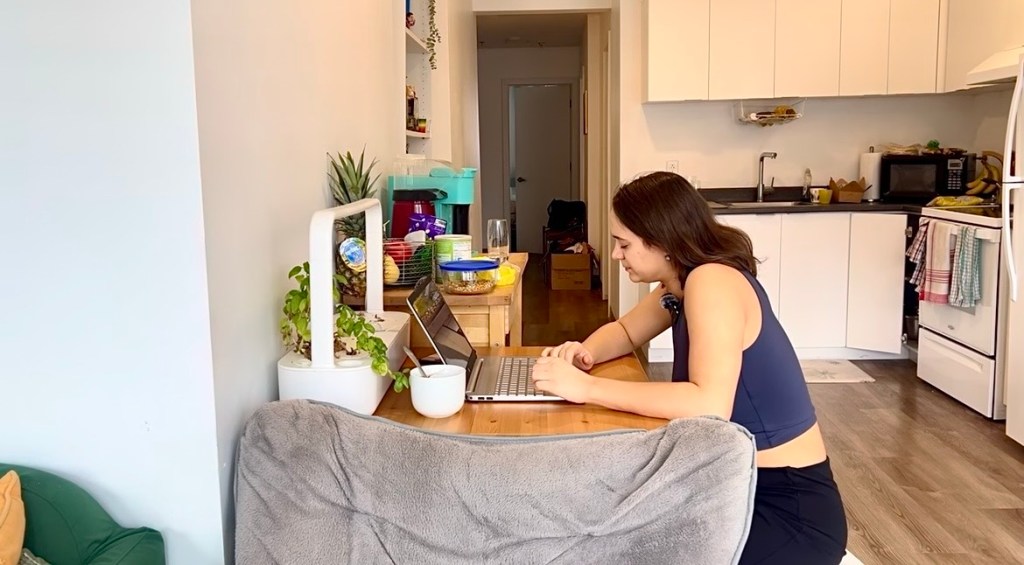
She also wishes to connect with the future CSU sustainability executive to assist them with providing information and feedback as a resident, while also encouraging them to push forward student governance and its importance to UTILE.

